Travelution Media
Written By: Jeel Ali
.png&w=3840&q=75)
Ads By Six Senses Kanuhura
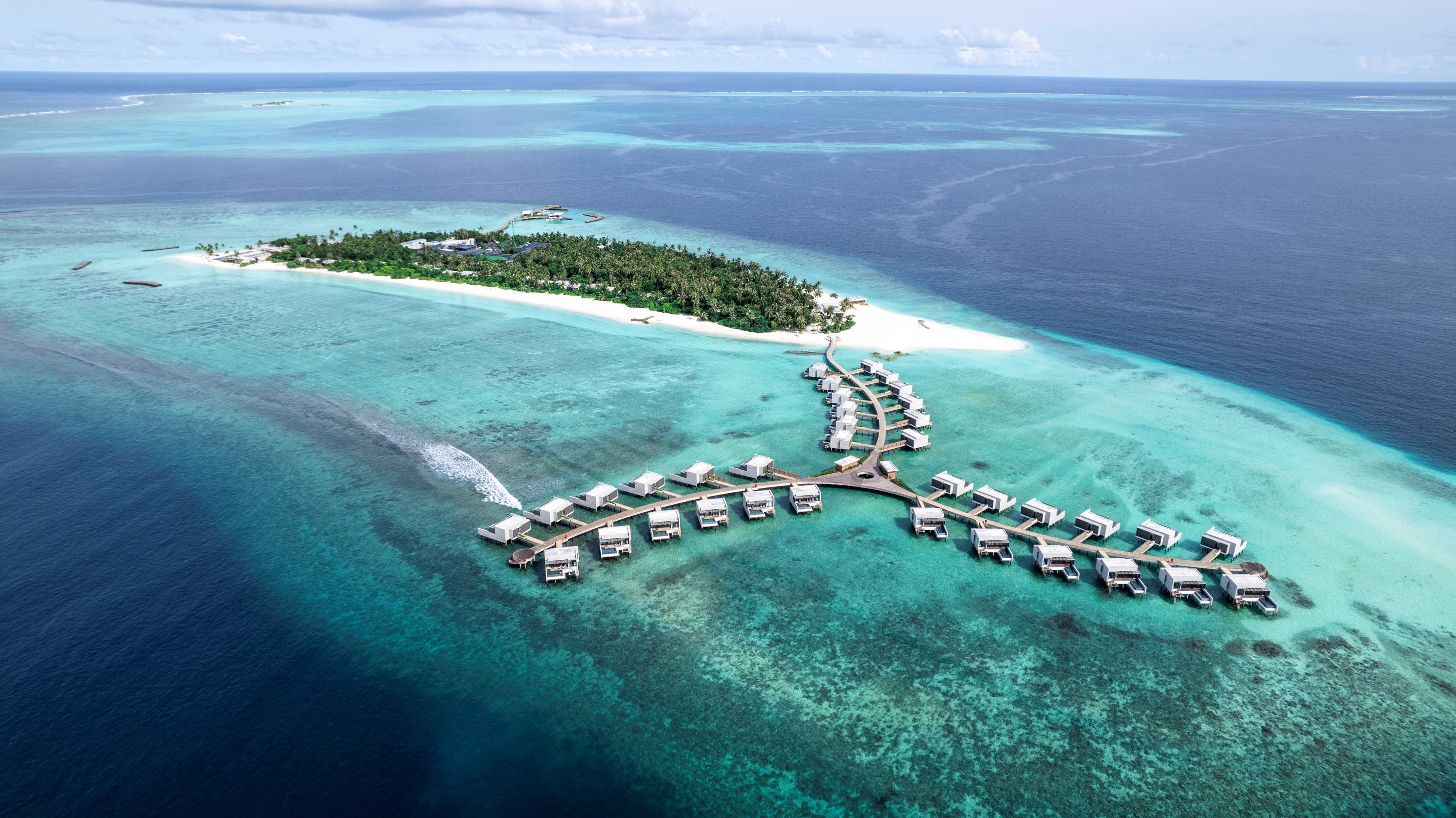
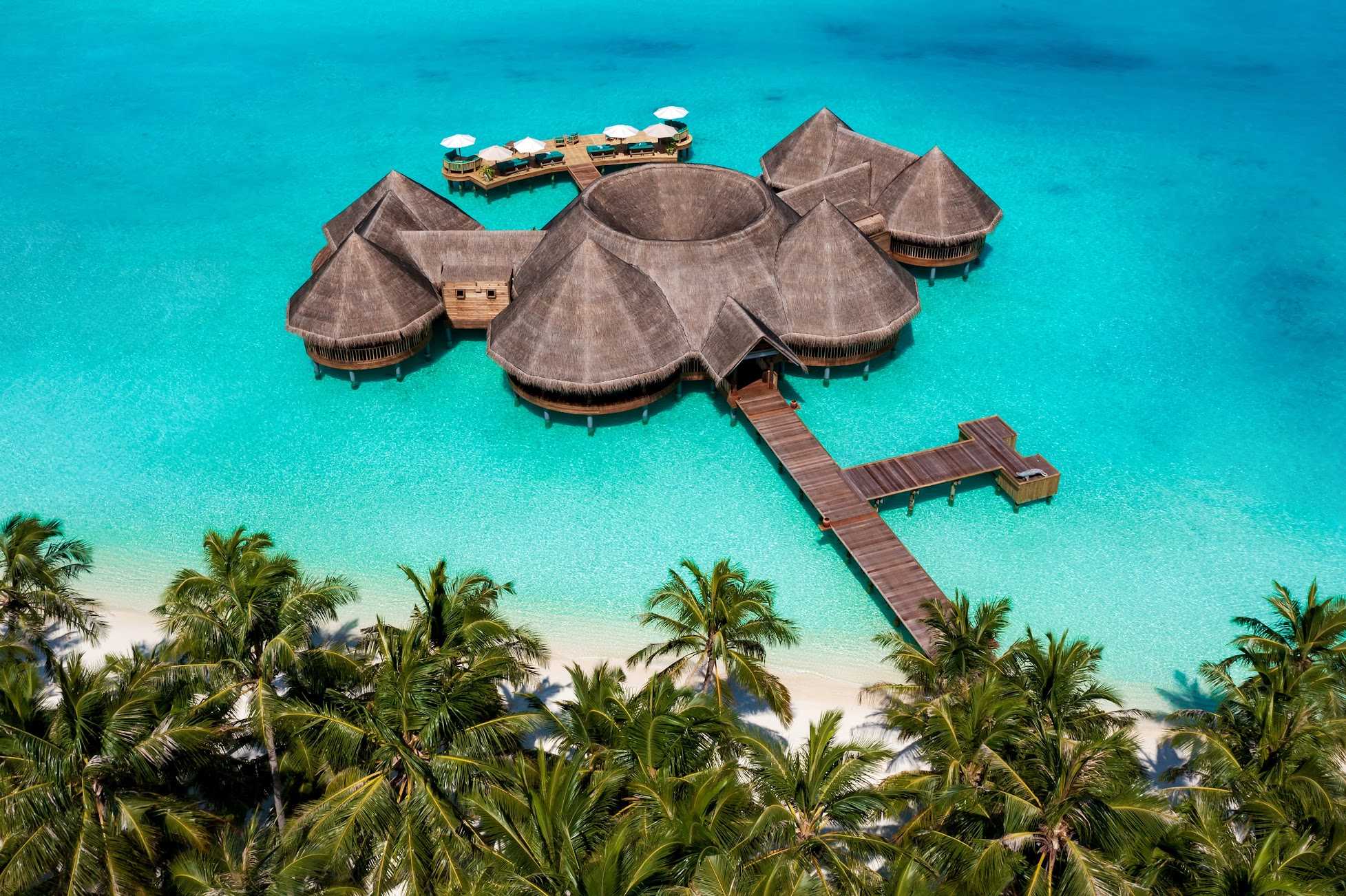
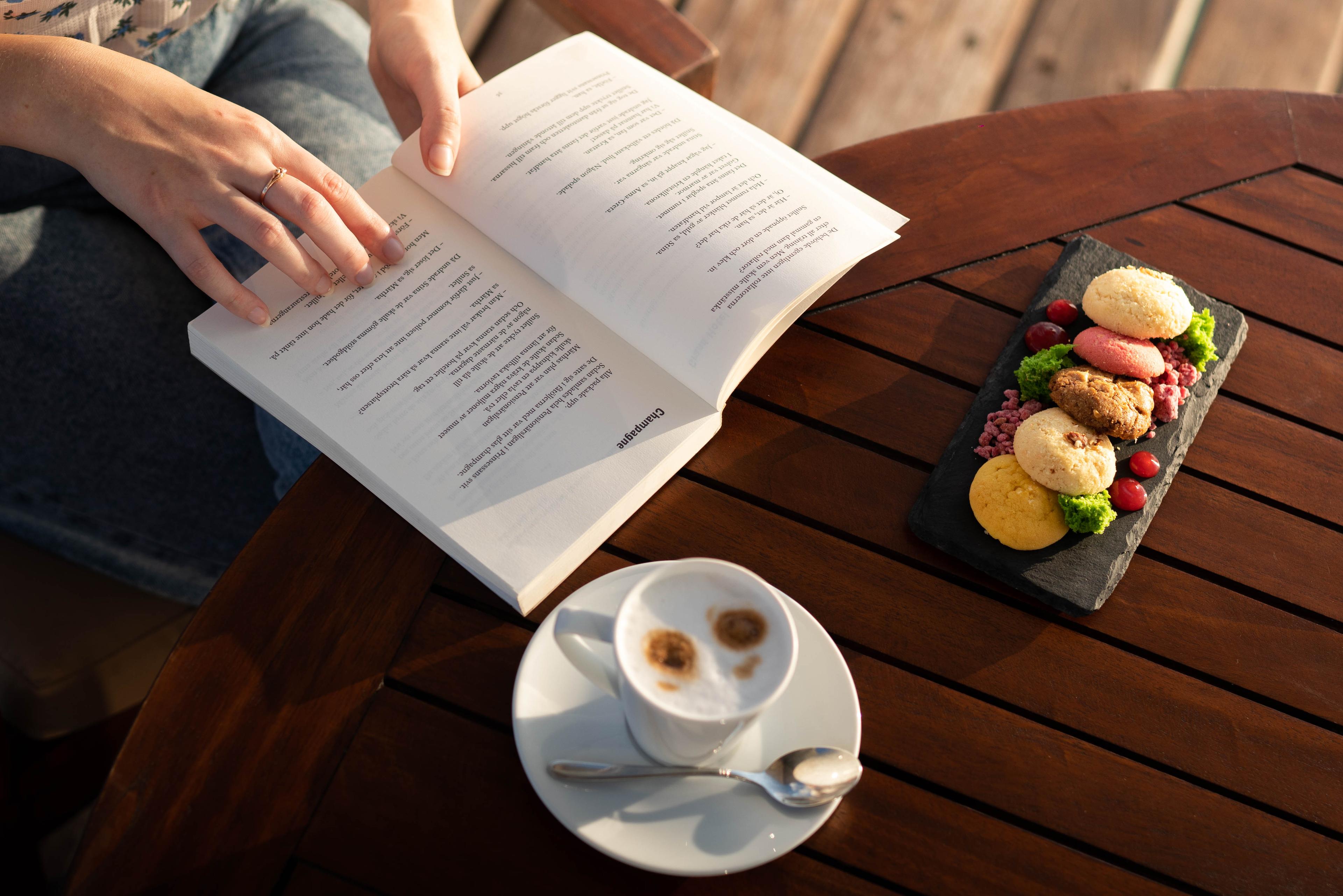
It is not an alarm that begins the day during a Maldivian getaway. Rather, it is the sound of swaying palm leaves brushing against each other. The greens of the palms move against the brown, older fronds, almost ready to fall. The lagoon moves slowly and unhurriedly, while the sound of the Kanbili (white-breasted waterhen) drifts in as it lingers near the pool outside your villa. Then, light from the sunrise spills across the whitewashed walls and filters through the timber screens, turning the room honey-gold before you can fully open your eyes. Somewhere along the boardwalk, porcelain meets wood as coffee is set down gently. No doors slam, no footsteps rush. Even the air feels slower.
.jpg&w=3840&q=75)
You remain still for a moment longer. Not quite awake, nor asleep. And then it happens—the subtle realisation. The day stretches ahead, wide and unclaimed. No reservation to keep. No reason to move just yet. At first, the instinct is to structure it. A walk becomes something to complete, a swim something to schedule before sunset. But without a city to navigate or anything competing for your attention, that instinct begins to fade. Plans loosen. Lunch happens when you feel hungry. Afternoons follow shade and breeze rather than intention.
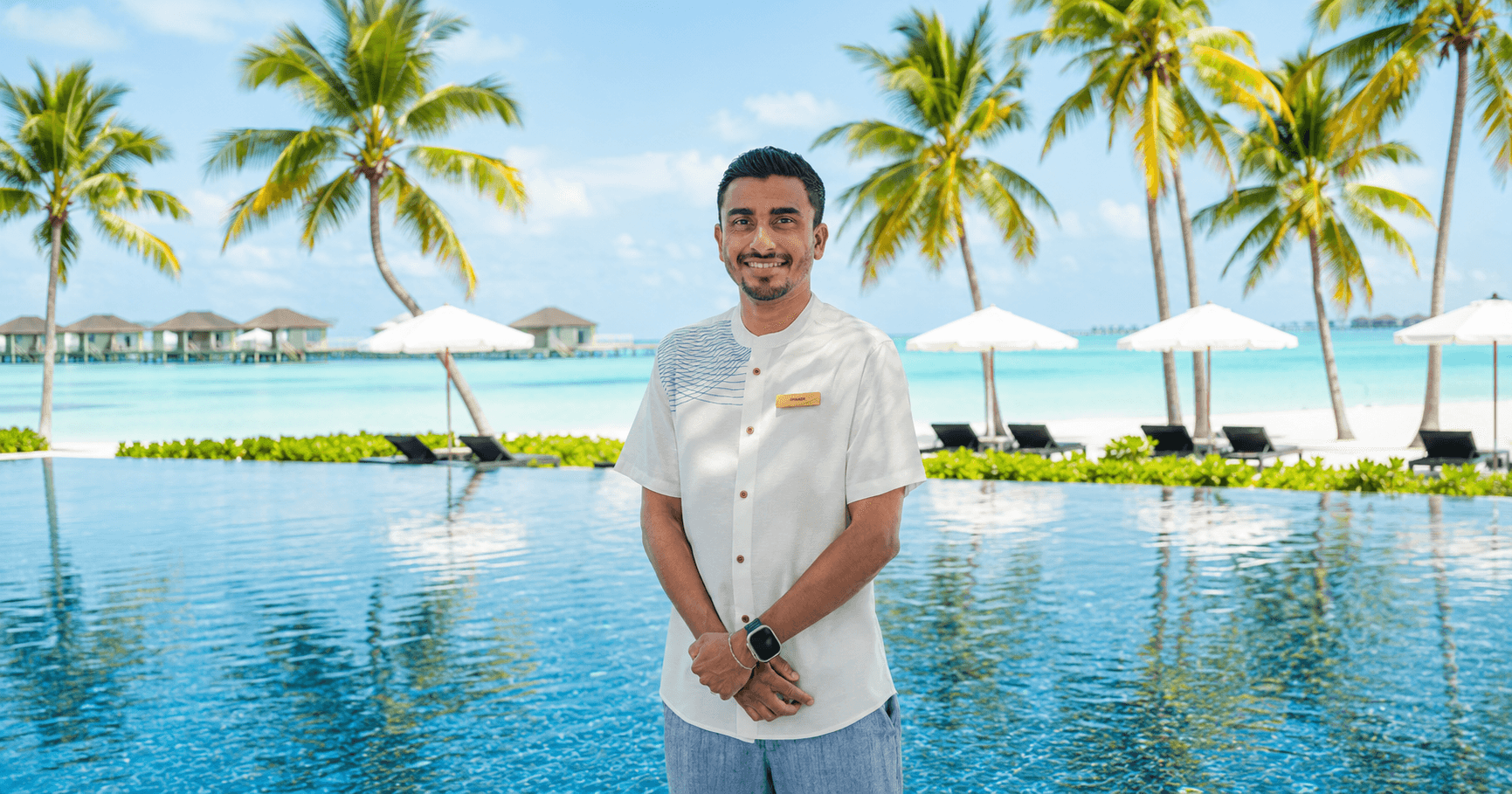
Much of this comes from the geography itself. Each island is finite, self-contained. There is nowhere else to be and nothing beyond it pulling you away. Movement becomes deliberate. The day begins to organise itself around light, heat, and stillness rather than time. This is where Maldivian hospitality reveals its quiet precision. Service moves around you, not through you. Rooms are refreshed while you are away, water appears without request, and you are looked after without your day being interrupted.
.jpg&w=3840&q=75)
Ads By Cinnamon Hakuraa Huraa Maldives
Elsewhere, luxury builds itself through addition—more experiences, more options, more to fit into a limited stay. The Maldives works differently. It removes. Decisions fall away, and with them, the need to account for each hour. This shift does not happen instantly. A short stay still carries the awareness of arrival and departure. It is only with time that something begins to settle. Sleep aligns with daylight. Evenings return to the same stretch of boardwalk, the same chair angled toward the horizon. Familiarity replaces novelty.
And in that familiarity, your attention sharpens. You walk the same pathway, but begin to notice what you missed before. The way light moves across the lagoon at different hours or how shadows of leaves fall across the sand. At lunch, the ocean shifts constantly beyond your glass—never still, never the same shade twice. Even in the quiet of a shower, you remain aware of the outside—the breeze, the distant water, the absence of urgency. By evening, this becomes most apparent. Sunset is not something you arrive for. It unfolds whether you are paying attention or not. Often, you realise you have been sitting through it without noticing when it began. The light softens, the colours shift, and then, quietly, it is gone.
.jpg&w=3840&q=75)
In most places, even at their most refined, time is still structured for you. Experiences are designed to fill it. Here, very little asks for your attention at all. The environment, the scale, and the way hospitality is delivered reduce the need to decide what comes next.
The Maldives does not ask to be consumed. It asks to be inhabited. To stay past the instinct to schedule. To move without measuring the hours.
.jpg&w=3840&q=75)
Ads By Maldivian - Island Aviation Services Ltd
Here, luxury is not what fills the day, but what is left untouched.