 Travelution Media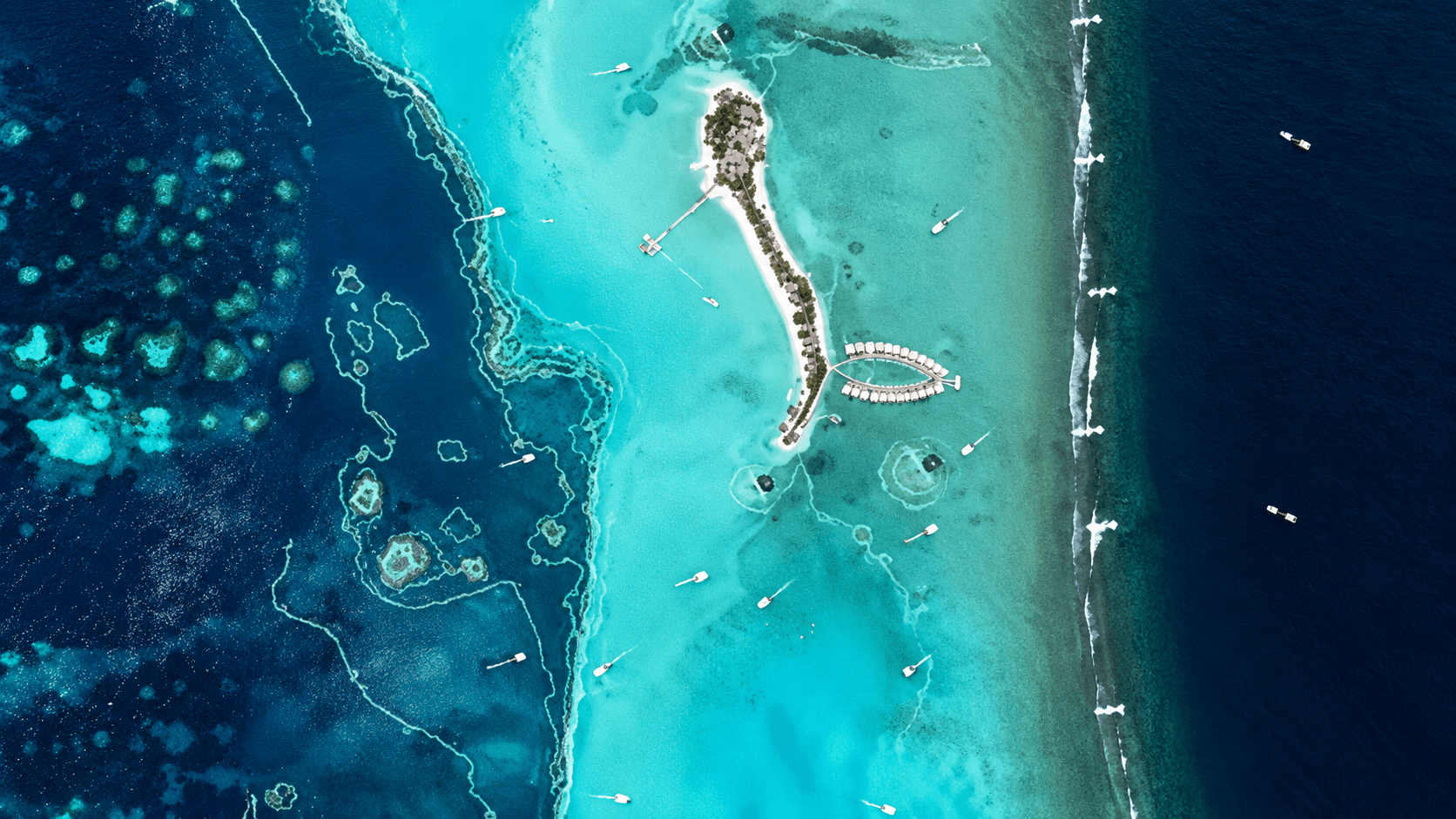
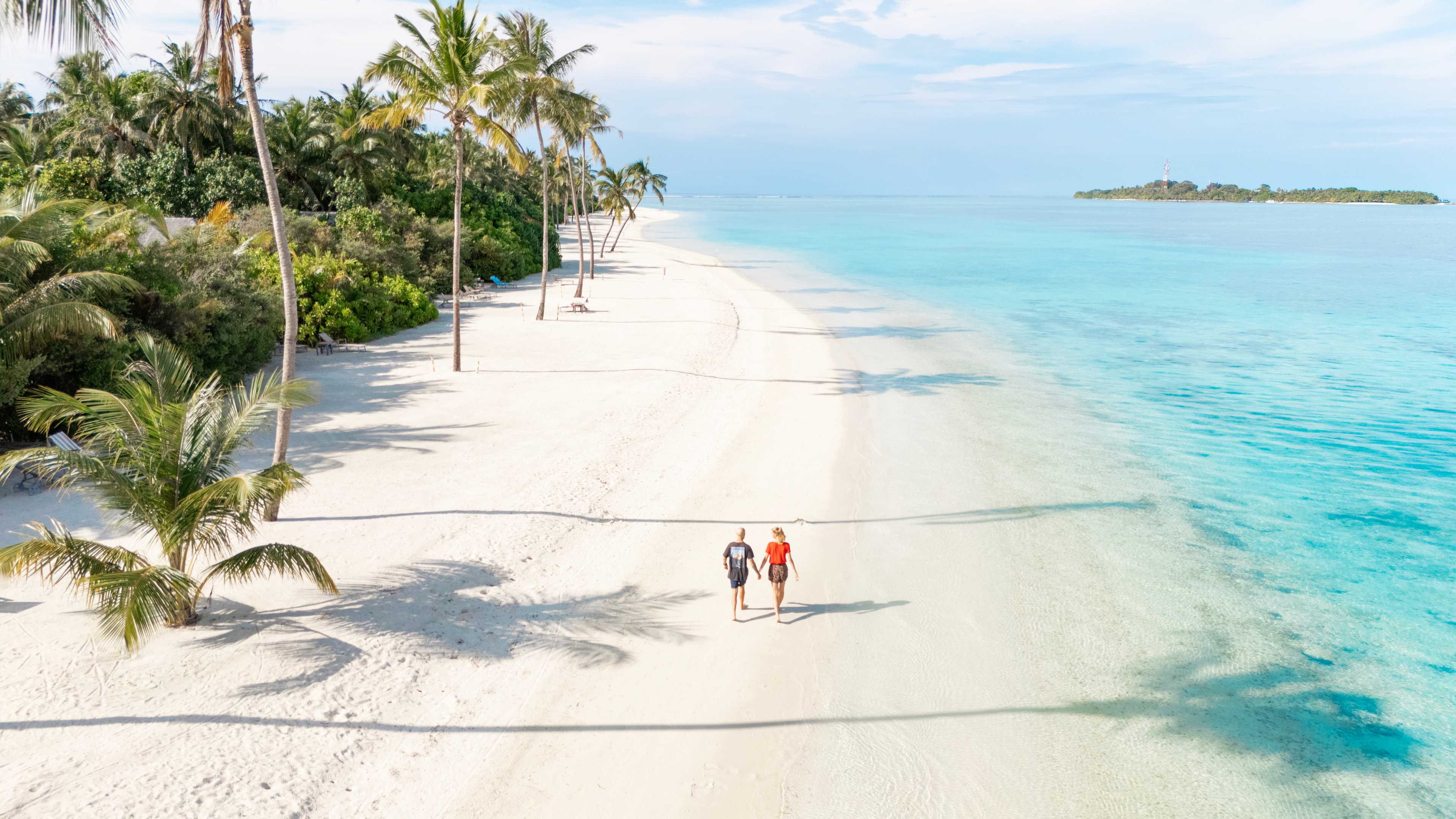
A small island in the Maldives was gradually losing a 300-foot stretch of beach to erosion, prompting a Marriott resort to explore a different way of protecting its shoreline.
.png&w=3840&q=75)
Ads By Six Senses Kanuhura
Rather than continually dredging and replacing sand, the resort experimented with an artificial reef developed by researchers at the Massachusetts Institute of Technology. The approach was designed to encourage waves to move sand back towards the beach and help keep it there.
The technology is now being developed further by Coastal Assembly, a startup that emerged from the MIT research at the end of 2025. The company has raised $4.4 million this year and is working to expand the approach to other locations facing coastal erosion.
Using waves to move sand
Coastal Assembly uses artificial intelligence to study satellite imagery and ocean-current data before determining how custom concrete blocks should be positioned along a shoreline.
The company analyses around 10 years of data to identify areas where significant erosion could occur over the coming months to a year. This information helps determine where intervention could be most useful and where resources should be concentrated.
.jpg&w=3840&q=75)
Ads By Cinnamon Hakuraa Huraa Maldives
The Maldives project involved installing 54 specially positioned blocks approximately 150 feet offshore. Made from marine-grade concrete and local aggregate, the blocks are designed to dissipate wave energy, helping redirect sand towards the beach while also keeping it in place.
The researchers monitor the shoreline over time and can alter the positioning of the blocks when necessary.
An idea inspired by nature
The research originated after Skylar Tibbits, an MIT architecture professor who leads the university's Self-Assembly Lab, encountered a sandbar in the Maldives that had formed naturally within just a month.
The unexpected discovery led Tibbits and his team to consider whether the natural process responsible for creating the sandbar could be encouraged elsewhere. Their work subsequently focused on finding ways to promote similar sand accumulation along eroding coastlines.
.jpg&w=3840&q=75)
Ads By Maldivian - Island Aviation Services Ltd
The team spent nearly a decade developing the approach, progressing from simulations to 10 real-world deployments across the Maldives.
The installations are individually designed because no two beaches have exactly the same underwater landscape or wave conditions. The height, depth and arrangement of the structures are therefore adapted to the characteristics of each location.
Each block is also cast in a different shape, allowing the resulting reef to appear more natural rather than entirely human-made.
A different approach to coastal protection
According to Tibbits, conventional methods of protecting beaches have significant limitations.

Dredging can damage coral reefs and may only provide a temporary solution because the replacement sand can quickly be carried away. Tibbits described it as a continual process, noting that some resorts pump sand onto their beaches throughout the year.
Seawalls present another option, but they can be expensive and do not necessarily prevent erosion. In some cases, they can increase erosion along neighbouring beaches or even contribute to erosion at the beach they were intended to protect.
The artificial reef approach instead works with the movement of waves and sand. The reefs can also provide protection for coastlines during storms.
Beach expands after reef installation
The results from the Maldives installation have been substantial. Within six months, the depth of the beach had increased by 90 feet.
Two years after the installation, the beach had doubled in size.
The reef has also developed into a habitat for marine life. New coral and other marine organisms have appeared around the structures, including fish and sea anemones.
Expanding beyond the Maldives
Coastal Assembly is now extending its work beyond the original Maldivian projects. The company is continuing its activities in the Maldives while beginning work in other areas where coastal protection is needed, including Boston and Miami.
The approach reflects a broader shift away from rigid coastal structures. Tibbits described this as a move from hard coastal edges towards softer, more flexible and dynamic approaches to protecting shorelines.
The Maldives project demonstrates how the movement of ocean waves can be incorporated into an alternative approach to coastal erosion, using strategically placed structures to encourage sand to accumulate naturally rather than relying solely on repeated dredging.
.jpg&w=3840&q=50)
