 Travelution Media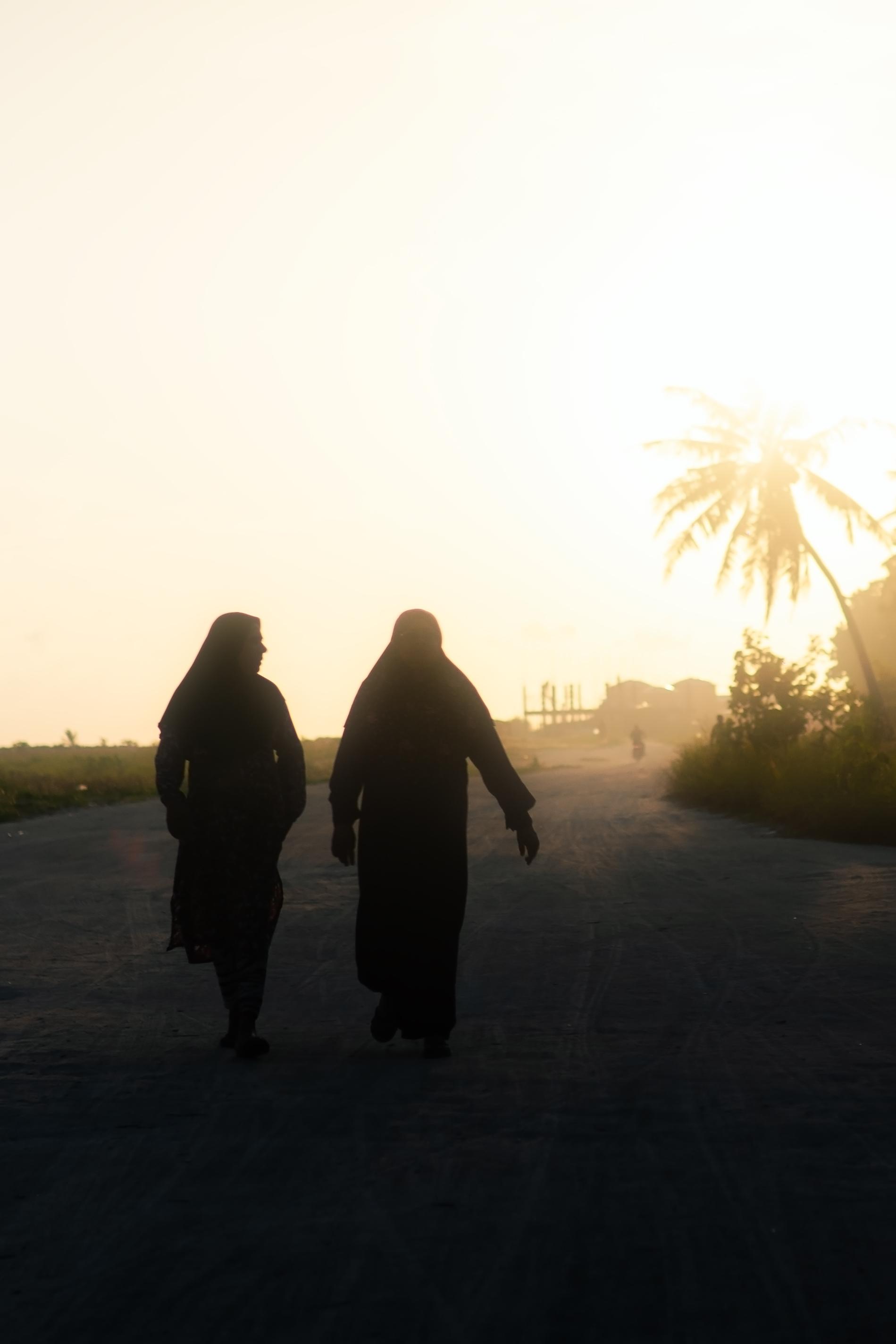
Written By: Naufi Amjad
Ads By Velassaru Maldives - Universal Resorts
Language, at its heart, is a bridge. It connects people across islands, lifetimes, and generations. In the Maldives, a nation defined by scattered islands and deep currents, it is not just the turquoise waters that separate us but also the subtle and melodic variations in the way we speak. Welcome to the fifth issue of Travelution, where we set sail into the rich and resonant world of Maldivian dialects.
Have you ever wondered how a fisherman from Addu might have conversed with a trader from Malé four hundred years ago? Long before speedboats and satellite calls, what words bridged the gap between atolls separated by great distances? And perhaps more curiously, were they always understood? Could language, our most basic tool of connection, sometimes create boundaries as well as bonds?
In the Maldives, we speak Dhivehi. But to call it one single language is to simplify a far more colorful and layered story. From the northernmost shores of Haa Alif to the southern heart of Fuvahmulah and the far reaches of Addu, Dhivehi blossoms into a multitude of dialects. Each one has been shaped by its island’s history, level of contact with the outside world, and centuries of oral tradition. Some dialects, like the one spoken in Malé, have become standardized through government, education, and media. Others, like those of Addu and Fua Mulaku, remain strikingly different and rich in features preserved from an older linguistic past.
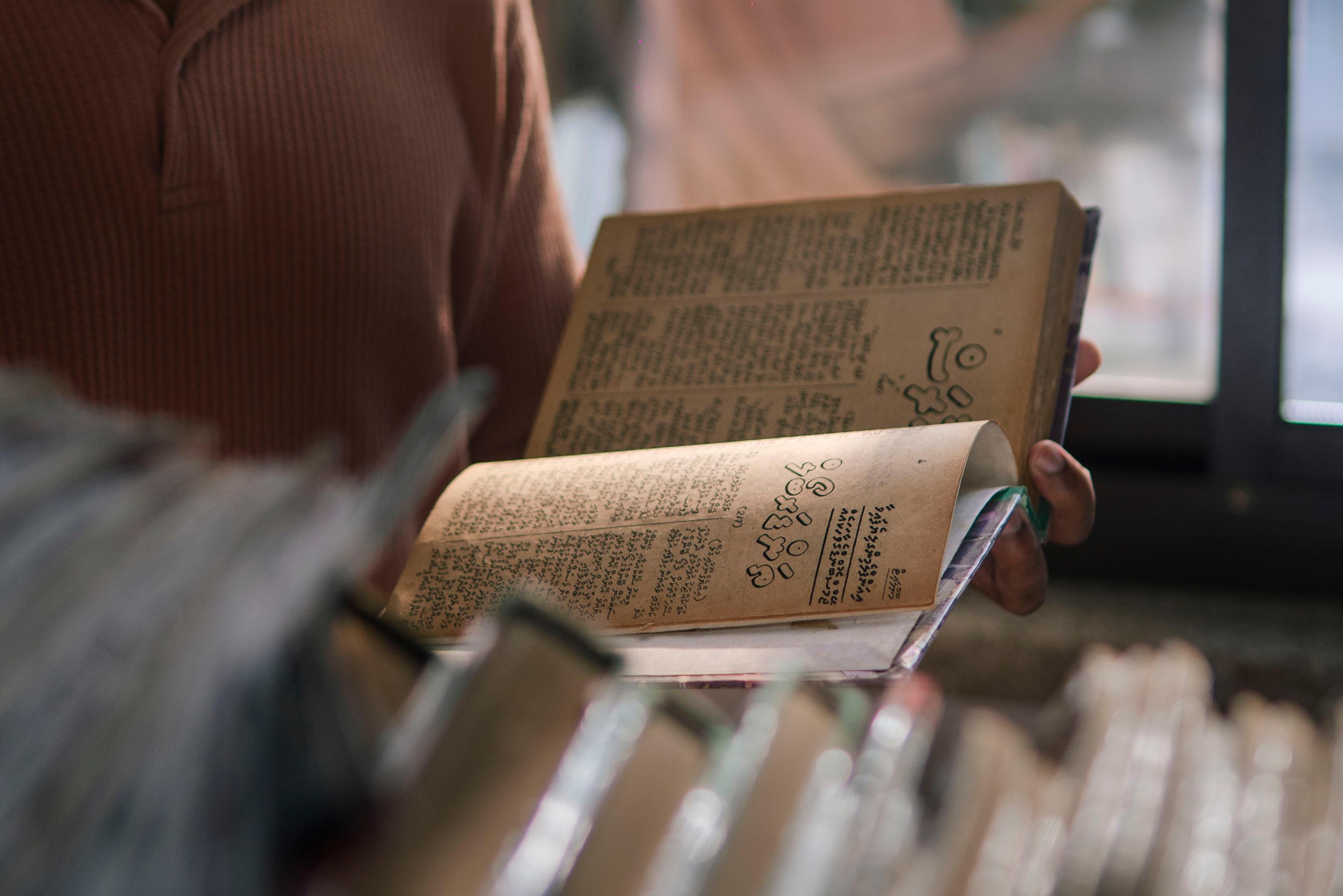
According to linguist Sonja Fritz, the southern dialects of Dhivehi retain ancient phonological traits that have disappeared from the capital’s tongue. These include retroflex consonants, nasalized vowels, and entire sets of unique vocabulary. In fact, the dialect of Fua Mulaku is often considered the most archaic of all, maintaining structures that linguists trace back to the early stages of the Indo-Aryan language family. [Fritz, 2001, p. VI–VII]

Ads By Cinnamon Hakuraa Huraa Maldives
Another fascinating detail is the sheer density of variation within regions. In some atolls, every inhabited island may have its own accent or speech pattern. It is not uncommon for locals to accurately guess where someone is from based on a single sentence. This subtle musicality of speech has become a kind of cultural fingerprint, a way of knowing and belonging.
The Thaana script used to write Dhivehi is itself a blend of influences. It reads from right to left and incorporates Arabic numerals into its structure. Yet, many dialects, particularly in the southern atolls, were never formally written, making them purely oral languages passed down from memory and song. Today, as national education and mass media encourage standard speech, there is a growing awareness that these dialects are quietly fading—along with the stories, idioms, and worldviews they carry.
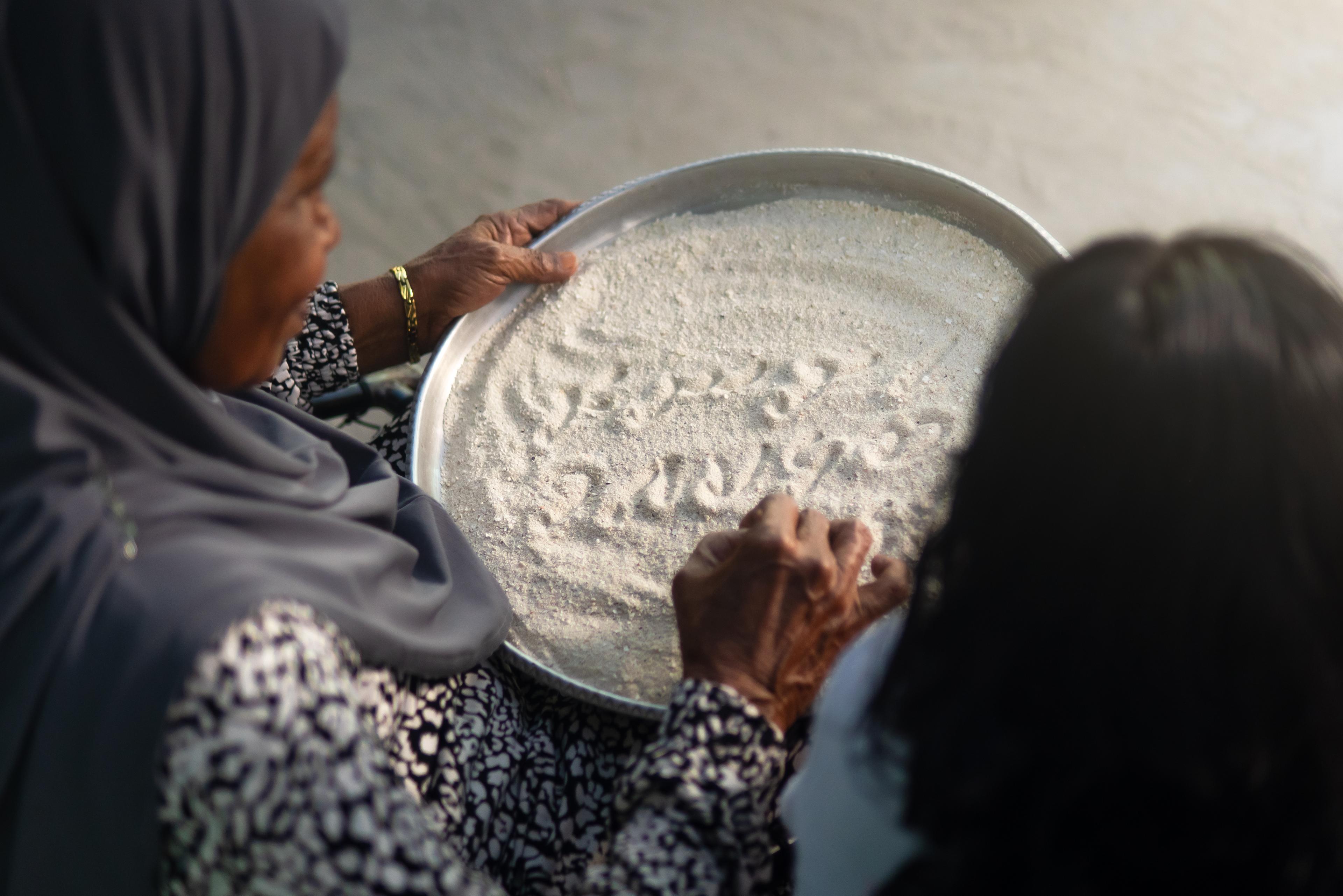
This issue of Travelution is an invitation to pause and listen more closely. As you flip through these pages, you may not hear the dialects themselves, but you will discover their echoes in folklore, in names, in poetry, and in the rhythm of everyday life. We hope this journey helps you hear the Maldives in a new way; not just as a paradise of turquoise lagoons but as a mosaic of voices and histories.
So tune in. The islands are speaking.
.jpg&w=3840&q=75)
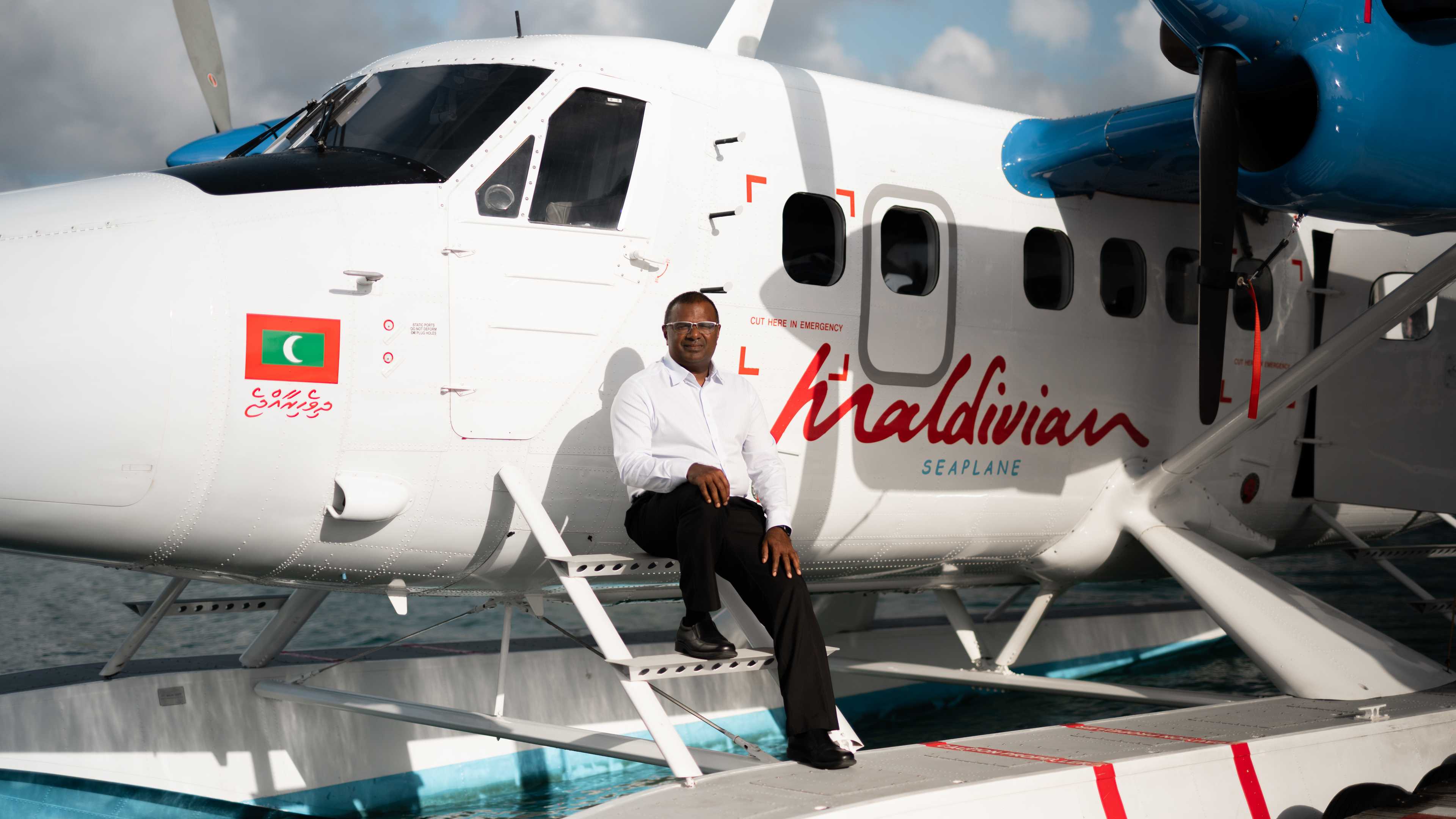
Ads By Maldivian - Island Aviation Services Ltd
.JPG&w=3840&q=50)
.jpg&w=3840&q=50)
%20(2).jpg&w=3840&q=50)
