Travelution Media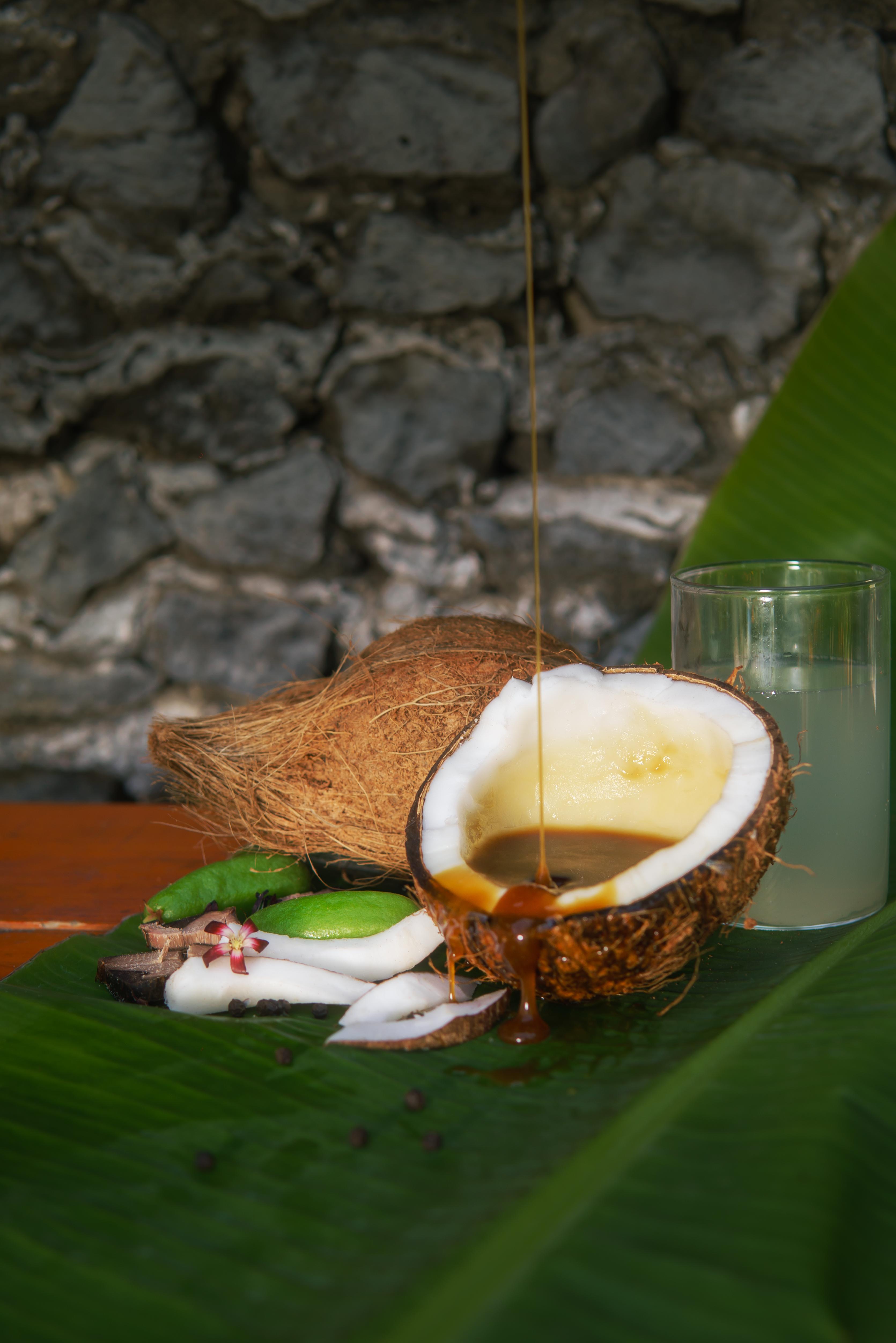
By: Aishath Amany
.png&w=3840&q=75)
Ads By Six Senses Kanuhura
In the heart of the Indian Ocean, where life was built in the rhythmic swaying of coconut palms, lies a culinary treasure that is as great as the island's ingenuity as it is to the soul of Maldivian heritage. Dhiyaa Hakuru, often called as "coconut honey" is a thick, silken butterscotch-hued nectar that battles with the most complex of the world’s most celebrated artisanal syrups. Beyond its sweetness, this golden, sweet treasure represents a profound connection between the Maldivian people and their livelihood.
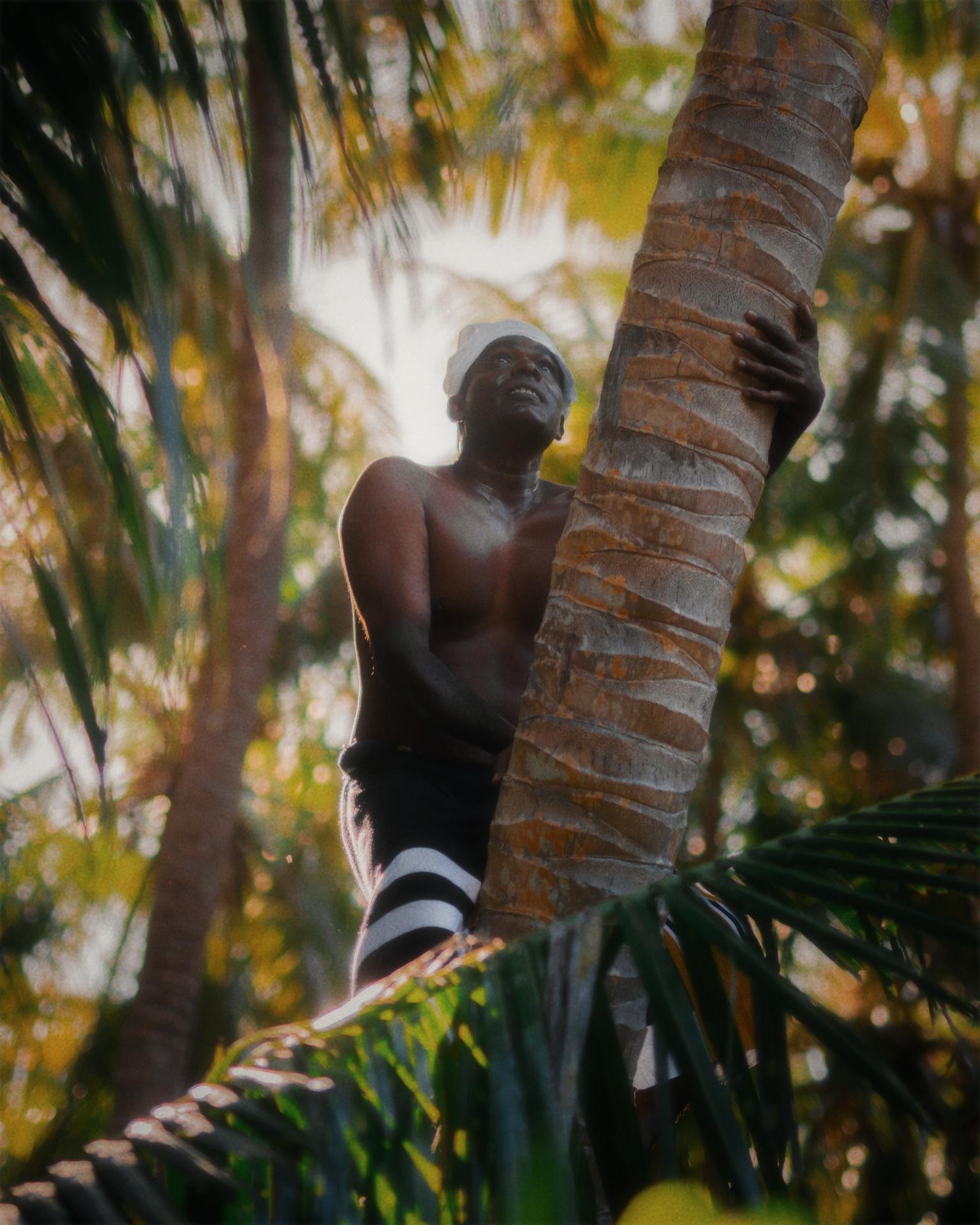
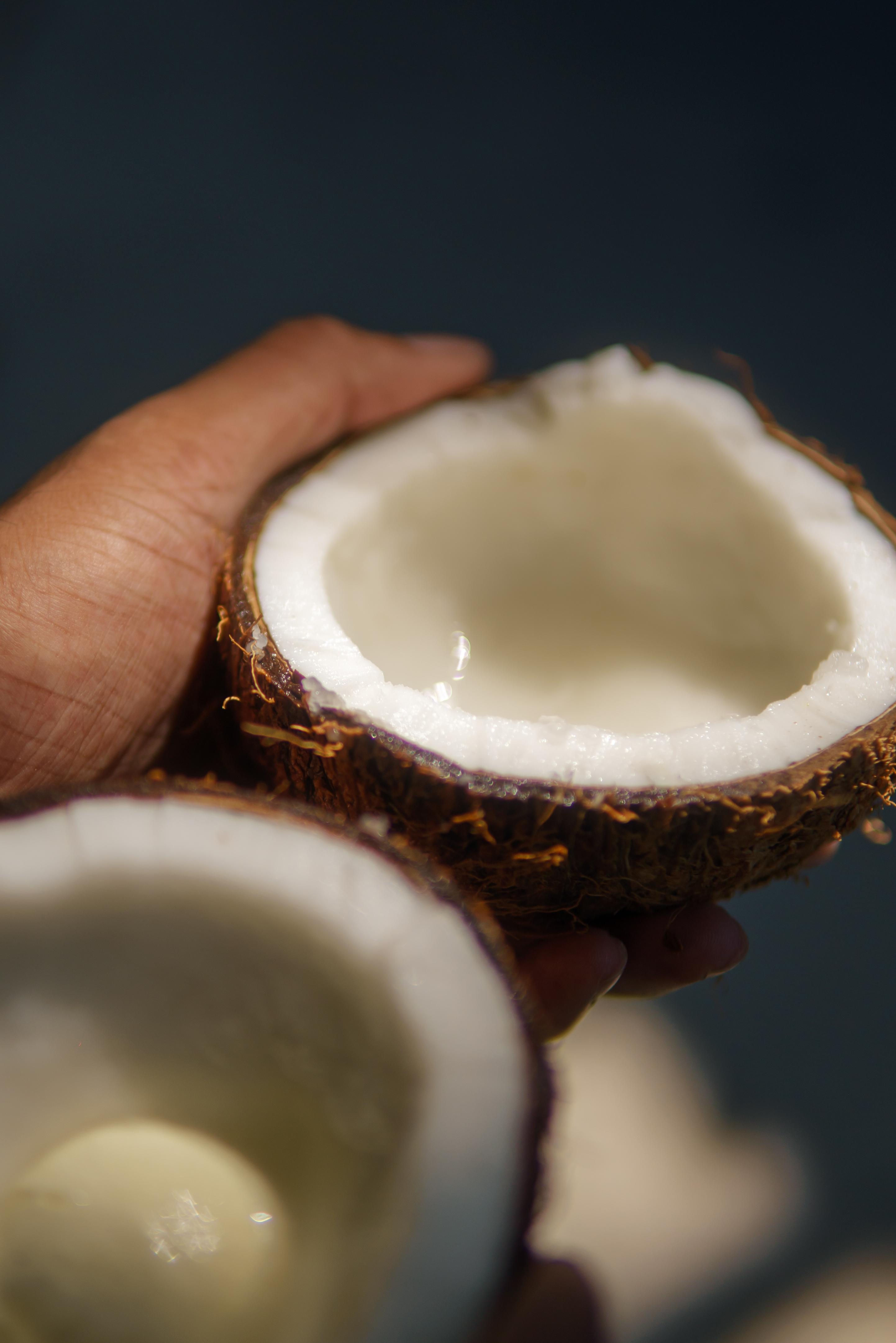
The origin of Dhiyaa Hakuru begins not in a factory with machinery, but in the coconut palm itself. The Raiveriya (toddy tapper) climbs the Dhivehi Ruh (coconut palm) to harvest the Ruku Raa, the sweet, translucent sap from the coconut palm’s flower bud. This is a practice of mindfulness as the stem must be trimmed precisely three times a day to keep the life-blood of the tree flowing. It is then collected in a Raa Bandhi, a traditional pot crafted from polished coconut shells. This ancient technique is the essence of the zero-waste lifecycle as the tree remains unharmed, continuing to provide fruit and shade for generations, while every tool used in the harvest is a gift from the palm itself.
While the world praises Canadian maple syrup for its woody undertones and French acacia honey for its floral notes, Dhiyaa Hakuru offers a sensory experience that is uniquely equatorial. Visually, it is a shimmering liquid that reflects the golden hour of the Maldivian sunset. On the nose, it is deeply caramelised with hints of toasted coconut and sea salt. The palate is treated to a rich, velvety sweetness, followed by complex layers of butterscotch, smoke, and a subtle tang which is a result of the traditional method of the boiling sap to clarify the liquid.
In an era of industrial sugar production, Dhiyaa Hakuru stands as the master of eco-conscious living. Unlike sugarcane, which requires vast land clearing and intensive water use, coconut palms thrive in the natural island ecosystem without the need for pesticides or artificial irrigation. Traditionally, the reduction process, boiling 14 litres of sap down to just two litres of syrup, is powered by sun-dried coconut husks and fallen wood, ensuring the process remains as gentle on the earth as the traditions that birthed it.
.jpg&w=3840&q=75)
Ads By Cinnamon Hakuraa Huraa Maldives
For centuries, Dhiyaa Hakuru has been the backbone of Maldivian comfort food, serving as the soul of Bondibaiy (rice pudding) and the essential companion to Huni Roshi (coconut flatbread). However, a new generation of chefs is bringing this liquid gold into the modern kitchens and is now being used to glaze fresh seared tuna and reef fish, providing a sophisticated depth to savoury dishes, or acting as a natural, low-glycemic alternative to honey in vegan cheesecakes and coffee lattes. This versatility ensures that while the nectar is rooted in the Maldives history, its future remains vibrant and relevant on the global culinary stage.
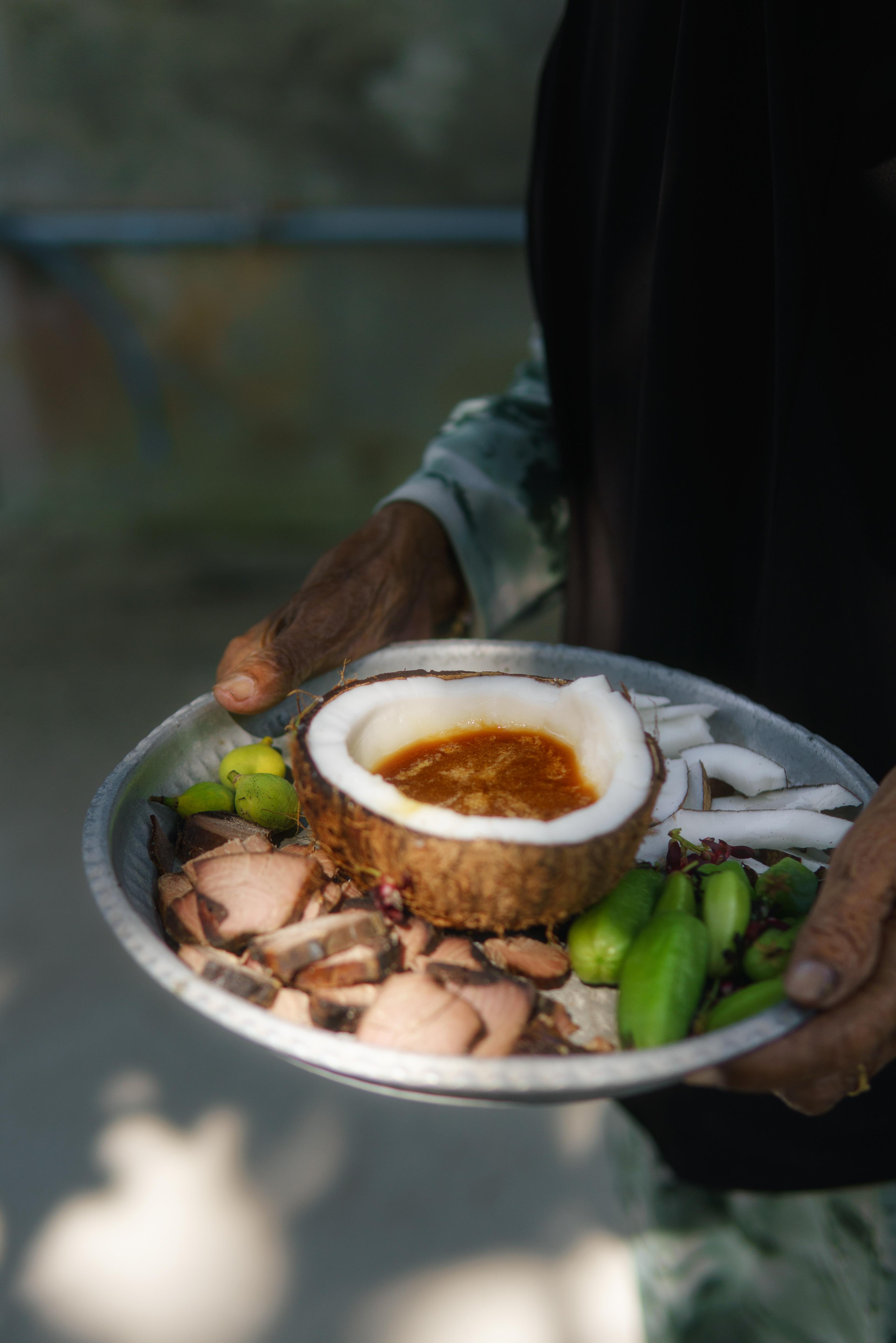
Ultimately, Dhiyaa Hakuru reminds us that true luxury is found in harmony with nature, rather than a mastery over it. For the Maldivian people, the art of crafting this nectar remains a centuries-old ritual, a liquid tribute to the islands that have provided for them across the ages.
It is not merely a syrup, but it is the distilled essence of a beautiful way of life, shared in a golden spoonful.
.jpg&w=3840&q=75)
Ads By Maldivian - Island Aviation Services Ltd
.jpg&w=3840&q=50)