Travelution Media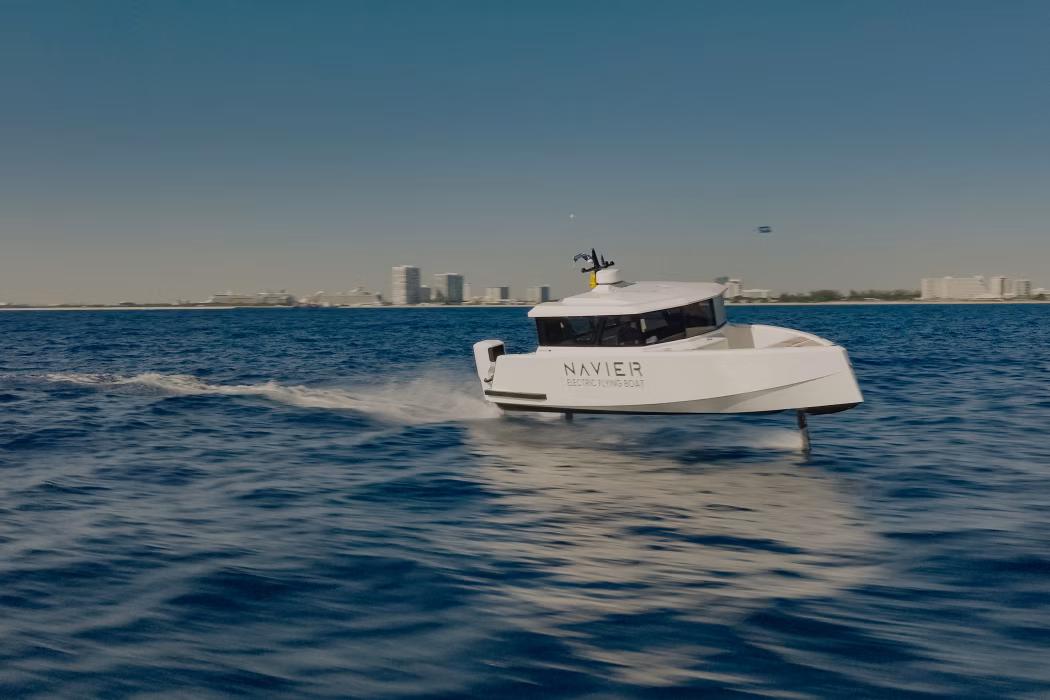
Navier, a Silicon Valley-based maritime technology company, has announced a long-term strategic partnership with Maldivian developer JIH Global to deploy a fleet of electric hydrofoiling vessels across the Maldives. Representing an initiative valued at approximately USD 100 million, the collaboration is expected to become one of the largest early demonstrations of electrified maritime transportation infrastructure in the region.
.png&w=3840&q=75)
Ads By Six Senses Kanuhura
The rollout will begin with the introduction of five vessels this year, with plans to expand the network over the next three years. Designed to connect airports, resorts, and inhabited islands, the initiative aims to provide a more efficient and sustainable transportation solution for one of the world's most geographically dispersed island nations.
The project reflects growing global interest in electric marine mobility as the industry seeks alternatives to conventional diesel-powered ferries and water taxis. Advances in battery technology, lightweight materials, and hydrofoil engineering are helping accelerate the adoption of cleaner transportation solutions across waterways worldwide.
Founded by former NASA researcher and MIT engineer Sampriti Bhattacharyya, Navier is focused on developing scalable marine transportation systems that combine sustainability, efficiency, and modern technology.
“Maritime transportation has been a fragmented, one-off industry for decades,” said Bhattacharyya. “We’re trying to build the equivalent of a repeatable transportation network for the water.”
.jpg&w=3840&q=75)
Ads By Cinnamon Hakuraa Huraa Maldives
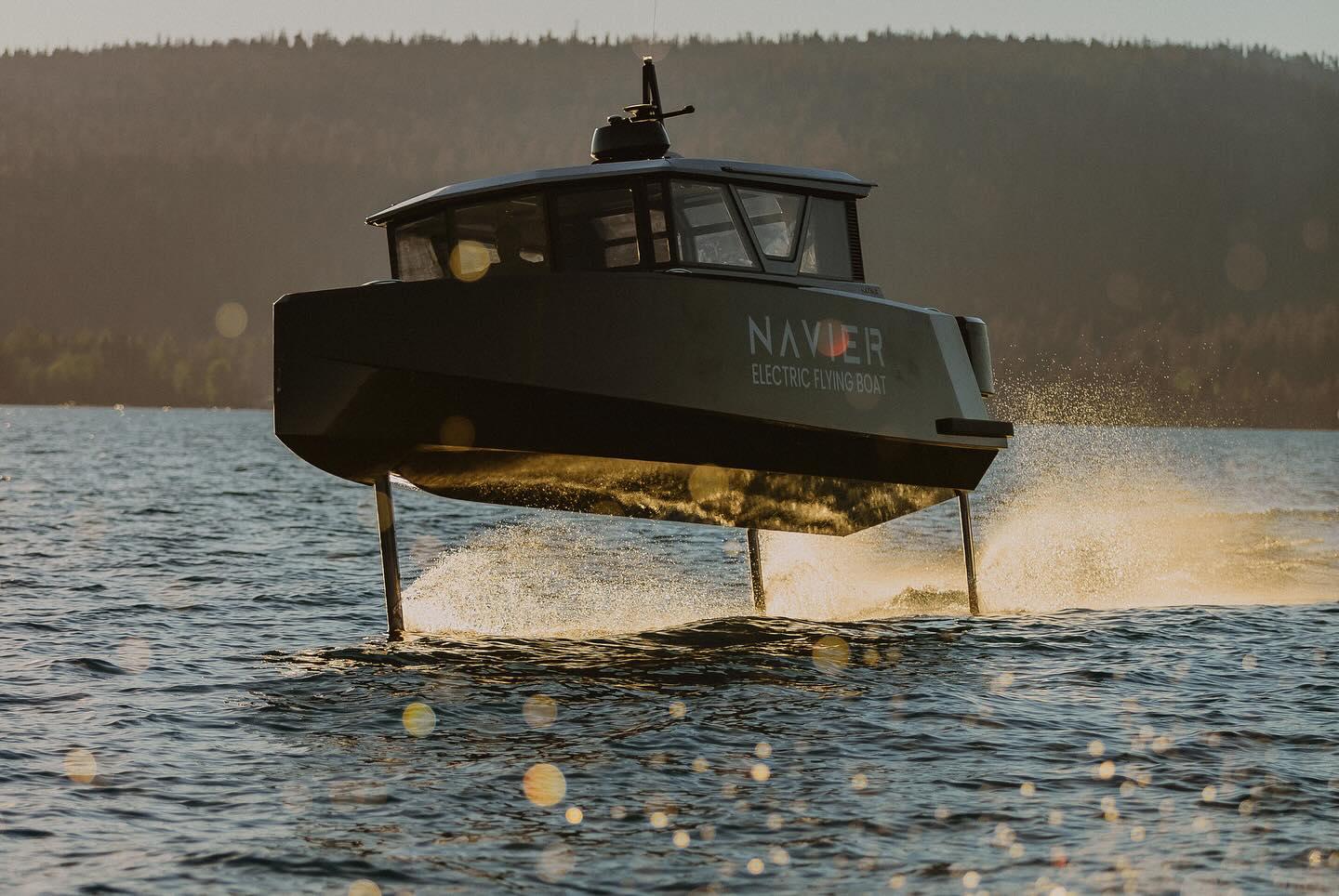
Navier’s vessels utilise hydrofoil technology, which employs underwater wing-like structures to lift the hull above the water as the vessel gains speed. This significantly reduces drag, improves energy efficiency, and delivers a smoother passenger experience by minimising the impact typically associated with smaller boats.
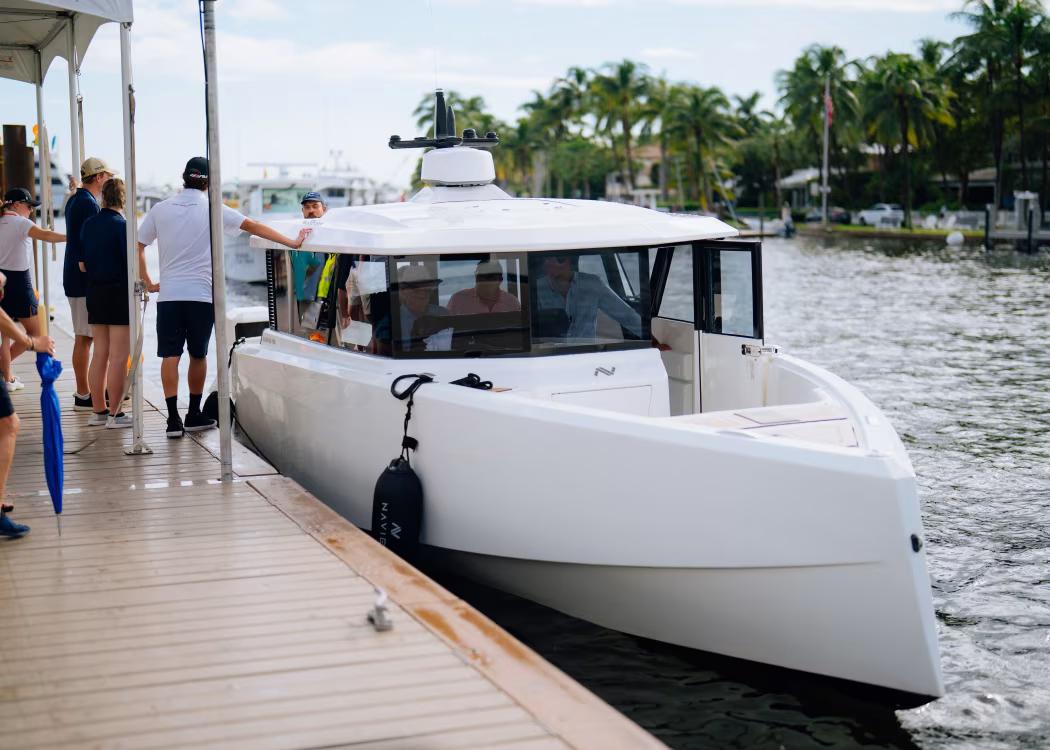
The company’s flagship vessel, the N30 Pioneer, is a 30-foot all-electric hydrofoiling craft capable of carrying up to eight passengers and a driver. Navier is also developing larger vessel models, including 60-foot and 120-foot variants, alongside hybrid-electric options intended for destinations where charging infrastructure remains limited.
The Maldives provides a unique environment for the deployment of this technology. Comprising approximately 1,200 islands spread across a vast area of the Indian Ocean, the country relies heavily on marine transportation to connect communities, tourism hubs, and essential services. Thousands of fuel-powered vessels currently operate throughout the archipelago, making transportation a significant contributor to emissions.
As the Maldives continues to pursue its net-zero emissions ambitions by 2030, initiatives that support cleaner transportation solutions are expected to play an increasingly important role in the country's sustainability efforts.
.jpg&w=3840&q=75)
Ads By Maldivian - Island Aviation Services Ltd
Initial deployments will focus on serving luxury resorts and hospitality operators, positioning the service as a premium transportation offering for the tourism sector. JIH Global, Navier’s local partner, has been involved in several major hospitality and infrastructure developments in the Maldives and will support the rollout through its local expertise and industry connections.
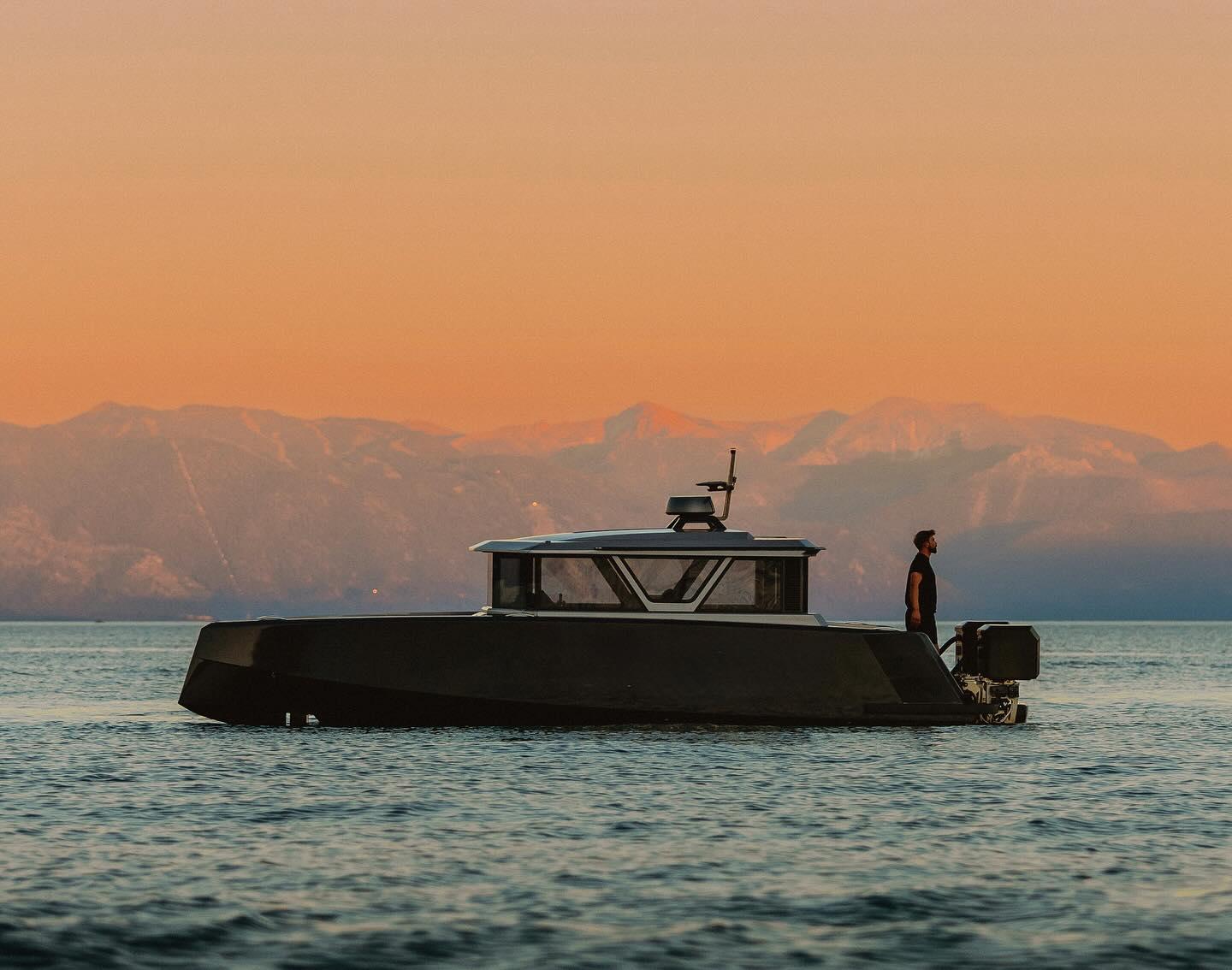
The first all-electric vessels will utilise existing marina shore-power systems for charging, with plans to introduce fast-charging infrastructure as the network expands. Navier has also confirmed compatibility with Tesla’s North American Charging Standard. Hybrid-electric vessels are expected to support operations during the transition period while additional charging infrastructure is developed, with further expansion planned from 2027 onwards.
While electric vehicles have become increasingly common on roads, the transition to electric marine transportation presents unique challenges. Water creates greater resistance than air, requiring higher energy consumption, while battery range limitations and charging infrastructure remain key considerations for operators. Despite these challenges, continued advancements in technology are helping drive the sector toward broader adoption.
Through their partnership, Navier and JIH Global aim to establish a new model for island transportation in the Maldives, combining innovative marine technology with sustainable mobility solutions to enhance connectivity across the archipelago.