 Travelution Media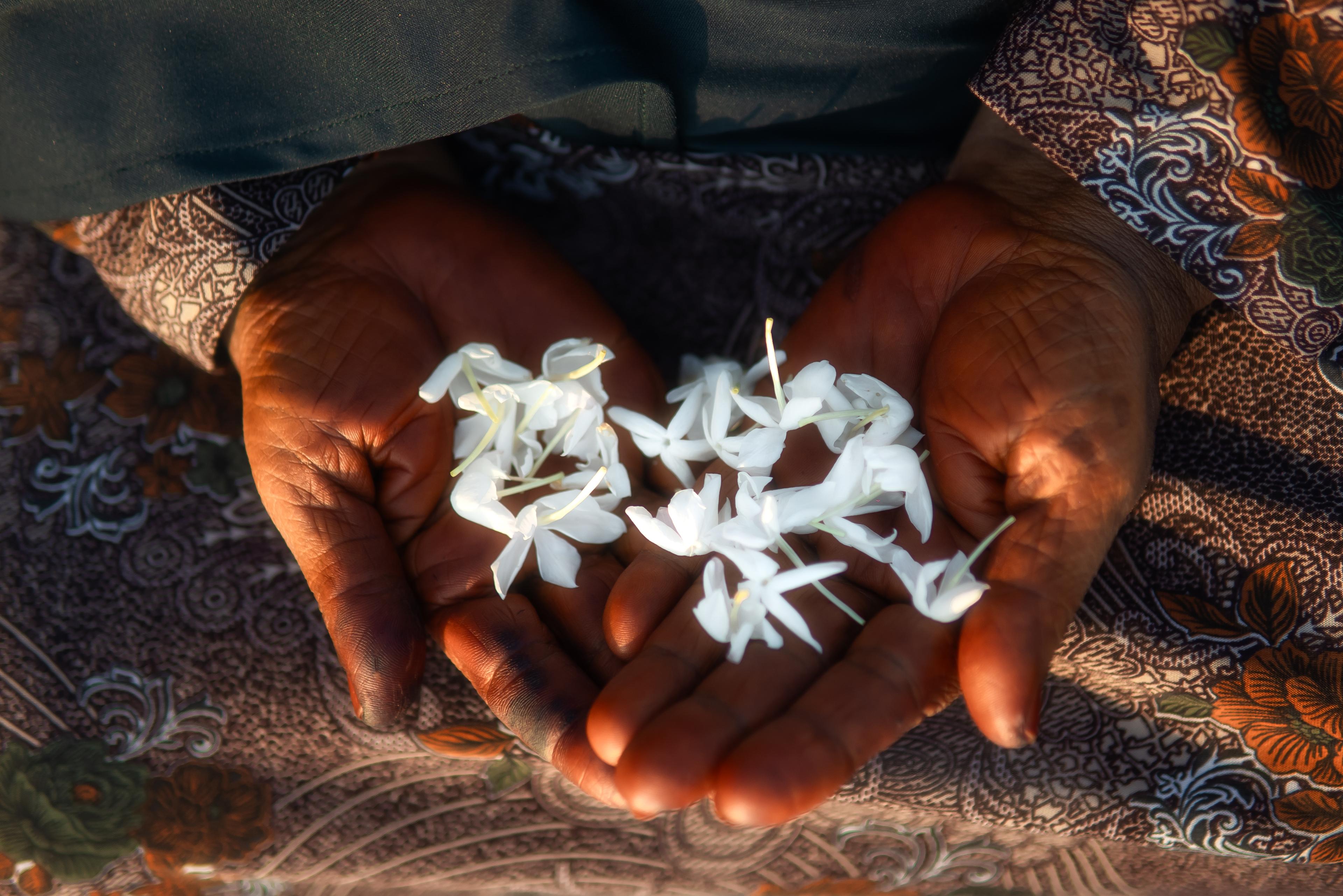
By: Jeel Ali
Ads By Velassaru Maldives - Universal Resorts
For Maldivians, memory is not framed in photographs. It lingers in the air and body, passed down through ritual, belonging, and daily repetition. Scent here is inheritance. It lives in the coconut oil massaged into scalps before school, and the pink roses tucked into hair in the evening. It is the mark of mornings with the familiar aroma of a perfectly round roshi being heated on the pans, ready to be devoured with some hot tea and mashuni. It is the smell of fresh tuna and its smoked richness that cling stubbornly to your fingertips. These are not embellishments but the ordinary architecture of life, reminders that to be Maldivian is also to be constantly surrounded by smell.
Science explains what Maldivians have always known. Unlike sight or sound, scent bypasses the thalamus and travels directly to the amygdala and hippocampus, the regions of the brain responsible for emotion and memory. This unique neurological path is what makes smell so emotionally potent. A single whiff of jasmine can evoke memories of childhood Eid mornings, while smoke from a hearth takes you back to an island you have not been to for years. Scientists call this ‘odor-evoked autobiographical memory,’ and studies show it is one of the most powerful ways the body archives experience.
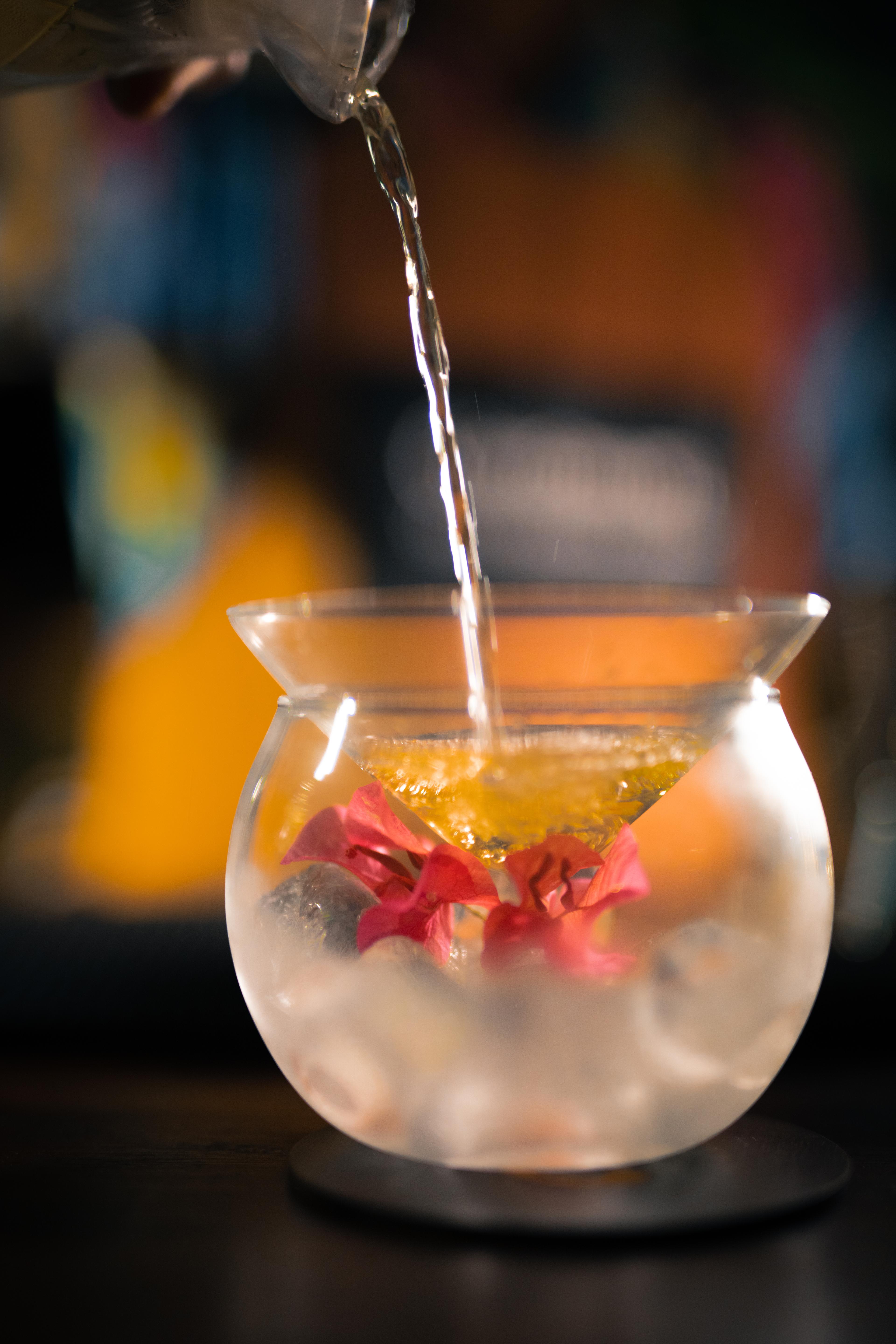
Beyond the atolls, the world has turned scent into a luxury strategy. Hotels and houses bottle experience as deliberately as they curate services or design. The Edition Hotel partnered with Le Labo to create “The Noir 29”, a refreshing fragrance built on black tea and fig, softened by cedarwood and vetiver. At 1 Hotels, the olfactory story is rooted in nature: a custom blend of eucalyptus and cedarwood, lifted by violet and iris, reflecting the group’s sustainable ethos. St. Regis carries history in its signature scent, “Caroline’s Four Hundred”, designed by master perfumer Carlos Huber. Inspired by Mrs. Astor and her legendary Gilded Age gatherings in New York, the scent layers oakwood, cedarwood, quince, apple, and cherry blossom with American Beauty roses and hyacinth.
Shangri-La greets guests with the serene “Essence of Shangri-La”, a fragrance built around black tea, balanced with bergamot, ginger, vanilla, and sandalwood. The Ritz-Carlton, meanwhile, diffuses Diptyque’s “Philosykos”, known for its fig and woody notes, inspired by a Greek summer, across most of its locations. And in the Maldives, Cheval Blanc Randheli carries its own signature scent “Island Chic”, a blend of cardamom, rose, and driftwood, created by Dior’s master perfumer Francois Demachy. This is sensory branding: the art of scent as identity.
Ads By Cinnamon Hakuraa Huraa Maldives
But here, the islands had long been scented before perfume ever reached them. Every courtyard, every kitchen, every festival carries its own olfactory map. Eid mornings are stitched with the sweetness of bondibaiy steaming in pots, drifting alongside the spicy aroma of boakibaa fresh from the pan. Evenings settle into the crackle of oil, the air thick with the frying of hedhikaa — bajiyaa, gulha, keemia — each bite announced first by its scent. Some scents belong to the seasons themselves: reef tang at low tide, valhomas curing in the sun, and the monsoon air drifting through islands, heavy with salt and rain.
.jpg&w=3840&q=75)
Luxury resorts may layer curated perfumes across their lobbies, but the Maldives itself remains perfumed by ancestry. To step into these islands is to breathe memory that does not belong to a single person, but to a people. Because here, scent is not an accessory. It is spatial, architectural, emotional, and ancestral. It builds identity as much as home or language.
Long after the sun has left your skin, it is the smell of these islands that lingers — not just reminding you where you were, but who you were while you were here.
And the islands remember too, by scent.
.jpg&w=3840&q=75)
Ads By Maldivian - Island Aviation Services Ltd
.JPG&w=3840&q=50)
.jpg&w=3840&q=50)

%20(2).jpg&w=3840&q=50)
